
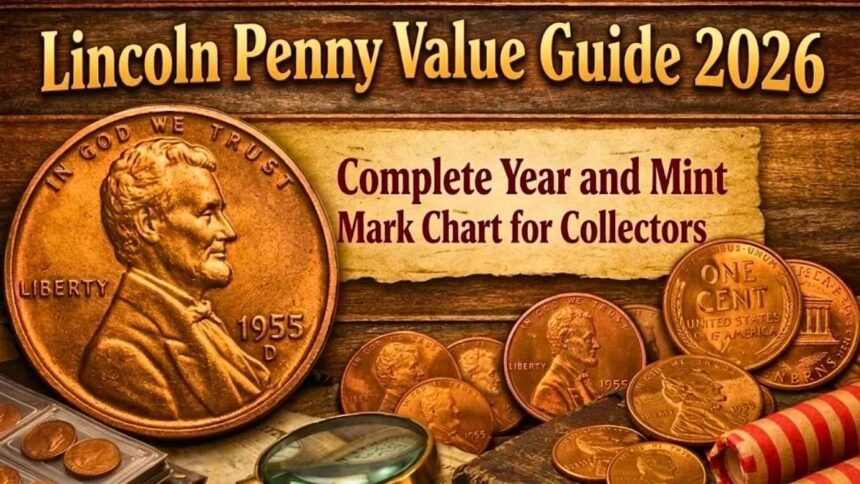
The Lincoln Penny remains one of the most collected coins in American history. Since its introduction in 1909, generations of collectors have searched through pocket change, old jars, and inherited collections hoping to discover rare and valuable pennies. In 2026, interest in Lincoln cents continues growing as collectors focus on key dates, rare mint marks, valuable errors, and high-grade examples worth thousands of dollars.
- The Beginning of the Lincoln Penny
- Understanding Lincoln Penny Mint Marks
- The Famous 1909-S VDB Penny
- The Valuable 1914-D Lincoln Penny
- The Legendary 1943 Copper Penny
- Why the 1955 Doubled Die Penny Is So Popular
- Lincoln Memorial Pennies and Modern Varieties
- Why Condition Matters So Much
- Tips for Identifying Valuable Lincoln Pennies
- Why Lincoln Pennies Remain Popular in 2026
- Building a Lincoln Penny Collection
- Final Thoughts
What makes Lincoln pennies especially appealing is their accessibility. Unlike expensive gold or silver rarities, Lincoln cents were everyday coins used by millions of Americans for more than a century. While most pennies are worth only face value, certain years and mint mark combinations have become legendary among collectors.
Understanding the importance of dates, mint marks, and condition can help collectors identify coins with significant value potential.
The Beginning of the Lincoln Penny
The Lincoln cent first appeared in 1909 to honor the 100th anniversary of Abraham Lincoln’s birth.
Designed by Victor David Brenner, the coin became the first regular U.S. coin to feature a real historical figure rather than a symbolic image. The reverse side originally displayed two wheat stalks, giving rise to the famous “Wheat Penny” nickname.
The Wheat Penny design remained in production until 1958 before changing to the Lincoln Memorial reverse in 1959.
Over the decades, different mint locations, wartime metal changes, and production errors created some of the most famous collectible coins in American numismatics.
Understanding Lincoln Penny Mint Marks
Mint marks help identify where a Lincoln penny was produced.
Coins struck at the Philadelphia Mint traditionally carried no mint mark for most years, although modern pennies may display a “P.” Denver Mint coins feature a “D,” while San Francisco issues carry an “S.”
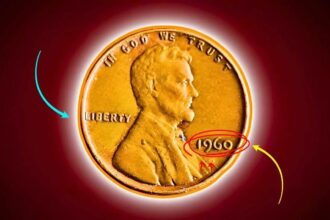
Mint marks appear below the date on most Lincoln cents.
Collectors pay close attention to mint marks because some combinations are far rarer than others. A common date penny from Philadelphia may be worth only a few cents, while the same year with a different mint mark could be worth hundreds or even thousands of dollars.
Learning mint mark locations is one of the first steps for beginner collectors.
The Famous 1909-S VDB Penny
One of the most legendary Lincoln cents is the 1909-S VDB penny.
This coin was struck during the first year of the Lincoln cent series at the San Francisco Mint. The initials “VDB,” representing designer Victor David Brenner, appeared prominently on the reverse side.
Public criticism over the large initials caused the Mint to remove them shortly after production began. Because only a limited number were produced before the design change, the 1909-S VDB quickly became one of the key dates in the series.
Even heavily worn examples remain valuable, while high-grade coins with original red color can sell for massive prices.
The Valuable 1914-D Lincoln Penny
The 1914-D penny remains another major rarity within the Lincoln cent series.
Produced at the Denver Mint in relatively low numbers, many examples circulated heavily during the early twentieth century. As a result, well-preserved coins are extremely difficult to find today.
Collectors especially seek coins with sharp details and original surfaces.
Because of its value, counterfeit versions are common. Some altered coins have fake “D” mint marks added to ordinary pennies.
Professional authentication is highly recommended before purchasing expensive examples.
The Legendary 1943 Copper Penny
The 1943 copper Lincoln penny remains one of the most famous coins in American history.
During World War II, the U.S. Mint switched from copper to zinc-coated steel cents to conserve copper for military use. Nearly all 1943 pennies therefore appear silver-colored.
However, a small number of leftover copper planchets from 1942 accidentally remained in minting presses and were struck with the 1943 date.
These accidental copper pennies became some of the rarest and most valuable coins ever discovered.
Collectors often use magnets to test suspected examples because steel cents stick to magnets while genuine copper coins do not.
Authentic 1943 copper pennies can sell for hundreds of thousands or even over a million dollars depending on condition.
Why the 1955 Doubled Die Penny Is So Popular
The 1955 Doubled Die Lincoln penny is one of the most visually dramatic error coins ever released into circulation.
This famous variety displays strong doubling on the obverse side, especially in the date and lettering. The words “LIBERTY” and “IN GOD WE TRUST” appear clearly duplicated.
The error occurred during die production, causing every coin struck from that die to display the same doubling effect.
Because the doubling is easy to see, the 1955 Doubled Die became one of the most popular error coins among collectors.
High-grade examples remain extremely valuable in 2026.
Lincoln Memorial Pennies and Modern Varieties
The Lincoln Memorial reverse replaced the Wheat Penny design in 1959.
Although many Memorial cents remain common, several rare varieties and errors have become valuable collector items.
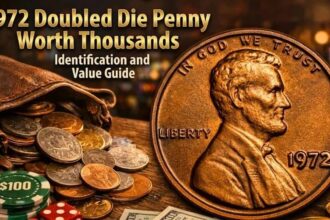
The 1972 Doubled Die penny is one of the best-known modern varieties, displaying dramatic doubling similar to the famous 1955 issue.
The 1983 doubled die reverse and the 1992 Close AM penny also attract strong collector interest.
Modern Lincoln cents continue producing collectible varieties because minting technology and die production occasionally create unusual mistakes.
Collectors often search bank rolls and pocket change for overlooked modern rarities.
Why Condition Matters So Much
Condition plays a huge role in determining Lincoln penny values.
Most older pennies circulated heavily and developed scratches, discoloration, and worn details over time. Perfectly preserved coins are much scarcer.
Collectors especially value copper pennies with full original red color. Over time, most copper coins naturally darken into brown tones.
Professional grading companies evaluate coins using detailed standards that heavily influence market value.
Even a small difference in grade can dramatically impact price. A rare penny graded Mint State 65 may sell for thousands more than a similar example graded Mint State 63.
Tips for Identifying Valuable Lincoln Pennies
Collectors searching for valuable Lincoln cents should carefully examine dates, mint marks, and overall condition.
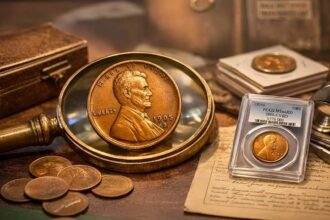
Using a magnifying glass helps reveal doubled lettering, mint errors, or unusual details.
Pay close attention to key dates including 1909-S VDB, 1914-D, 1922 No D, 1931-S, and 1943 copper cents.
Look for signs of original luster and avoid coins that appear cleaned or polished because cleaning often reduces collector value.
Professional authentication is recommended for expensive or unusual coins.
Why Lincoln Pennies Remain Popular in 2026
Lincoln pennies continue attracting collectors because they combine history, affordability, and the excitement of discovery.
Unlike many rare collectibles locked away in museums or private vaults, Lincoln cents were everyday coins that millions of people handled for decades.
The idea that a penny worth thousands of dollars could still be hidden in an old collection keeps collectors searching year after year.
Social media, online auctions, and coin-collecting communities have introduced new generations to the hobby, increasing demand for rare Lincoln cents.
Whether collecting Wheat Pennies, Memorial cents, or modern shield cents, enthusiasts continue appreciating the rich history behind the series.
Building a Lincoln Penny Collection
Many collectors begin by assembling date-and-mint sets covering every year and mint location.
Others focus specifically on rare varieties, doubled dies, or high-grade red copper examples.
Reference books, grading guides, and coin shows help collectors learn more about the series and avoid common mistakes.
Patience is important because building a strong collection often takes years of careful searching and study.
For many enthusiasts, the thrill of discovering a rare penny remains one of the most rewarding parts of coin collecting.
Final Thoughts
The Lincoln Penny remains one of the most iconic and collectible coins in American history. From legendary rarities like the 1909-S VDB and 1943 copper cent to modern doubled die varieties, these small coins continue capturing collector interest in 2026.
While most pennies are worth only face value, certain years, mint marks, and error varieties can command extraordinary prices. For collectors, every Lincoln cent carries the possibility of uncovering a valuable piece of history hiding in plain sight.