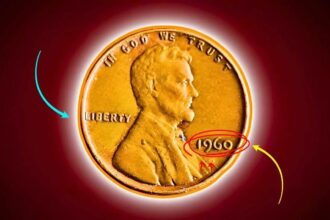

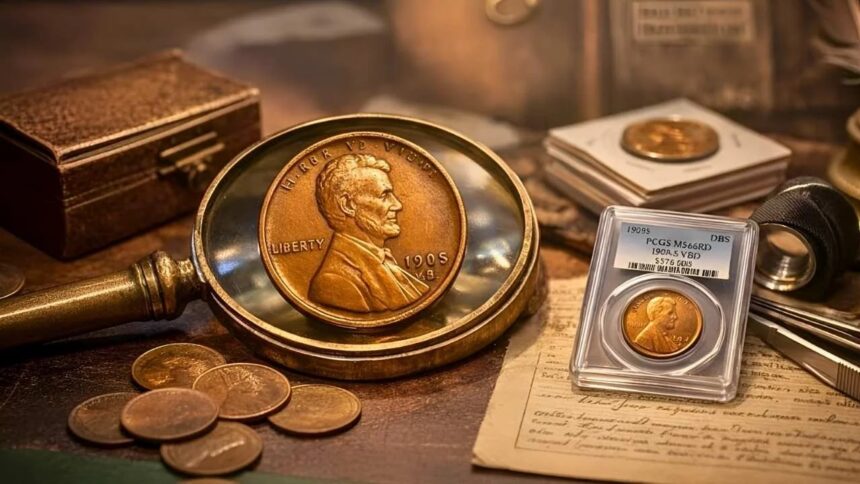
Lincoln Wheat Pennies have fascinated coin collectors for generations, but in 2026 one particular coin continues making headlines because of its astonishing value. A rare Lincoln Wheat Penny estimated at $576,000 has become one of the most talked-about treasures in American numismatics. What makes this story even more exciting is that these historic pennies once circulated as ordinary one-cent coins, passing through countless hands unnoticed.
- The History of the Lincoln Wheat Penny
- The Rare Penny Worth $576,000
- Why Certain Lincoln Wheat Pennies Become So Valuable
- The Legendary 1943 Copper Penny
- The Famous 1909-S VDB Penny
- Why High Grades Matter So Much
- How to Identify Valuable Wheat Pennies
- Why Lincoln Wheat Pennies Remain Popular in 2026
- Tips for New Collectors
- Final Thoughts
For collectors and treasure hunters, the appeal of Lincoln Wheat Pennies comes from the possibility that a seemingly common coin could secretly hold enormous value. While most Wheat Pennies are worth only a few cents or dollars, certain rare dates, mint errors, and high-grade examples have become true collector prizes.
Understanding why some Lincoln Wheat Pennies reach extraordinary values can help collectors identify important coins and avoid overlooking hidden treasures.
The History of the Lincoln Wheat Penny
The Lincoln Wheat Penny first appeared in 1909 to celebrate the 100th anniversary of Abraham Lincoln’s birth.
It became the first regular U.S. coin to feature an actual historical figure instead of a symbolic image. Designed by Victor David Brenner, the coin displays Lincoln’s portrait on the front and two wheat stalks on the reverse side, giving rise to the popular “Wheat Penny” nickname.
The series remained in production until 1958 before the reverse design changed to the Lincoln Memorial.
Because these pennies circulated during major moments in American history, including the Great Depression and World War II, collectors view them as important historical artifacts as well as valuable collectibles.
The Rare Penny Worth $576,000
The Lincoln Wheat Penny drawing major attention in 2026 is believed to be one of the rarest surviving examples from the series.
Coins reaching values above half a million dollars usually combine several critical factors: rarity, historical importance, minting errors, and exceptional preservation.
Many experts believe the coin connected to the $576,000 valuation is either an ultra-rare error issue or an extremely high-grade example of a famous key-date penny such as the 1943 copper cent or the 1909-S VDB penny.
Coins of this caliber are extraordinarily scarce because so few survive in pristine condition. Collectors compete aggressively for elite specimens, especially when certified by professional grading companies.
Auction records for rare Lincoln cents continue climbing as wealthy collectors and investors pursue the finest known examples.
Why Certain Lincoln Wheat Pennies Become So Valuable
Not every Wheat Penny is rare, but several important factors can dramatically increase value.
Low mintage numbers create scarcity. Coins produced in limited quantities naturally become harder to find over time.
Mint errors also play a major role. Doubled dies, off-metal strikes, and missing mint marks often transform ordinary coins into valuable collector items.
Condition is another critical factor. Most Wheat Pennies circulated heavily, developing scratches, discoloration, and worn details. Coins preserved in nearly perfect condition are much rarer and far more valuable.
Historical significance adds further appeal. Pennies connected to wartime production changes or famous minting mistakes often become iconic within the hobby.
The Legendary 1943 Copper Penny
One of the most famous Lincoln Wheat Pennies is the 1943 copper cent.
During World War II, the U.S. Mint switched from copper to zinc-coated steel pennies to conserve copper for military equipment. As a result, nearly all 1943 pennies appear silver-colored rather than brown.
However, a few leftover copper blanks from 1942 accidentally remained in the minting presses and were struck with the 1943 date.
These accidental copper pennies became some of the rarest and most valuable coins in American history. Authentic examples have sold for hundreds of thousands of dollars, with elite specimens reaching astonishing prices.
Collectors often use magnets as a quick test because steel pennies stick to magnets while genuine copper examples do not.
The Famous 1909-S VDB Penny
Another legendary Lincoln Wheat Penny is the 1909-S VDB issue.
This coin was struck during the first year of the Lincoln cent series at the San Francisco Mint. The initials “VDB” appear on the reverse side to honor designer Victor David Brenner.
Public controversy over the size of the initials caused the Mint to remove them shortly after production began, leaving only a limited number of 1909-S VDB coins in existence.
Collectors quickly recognized the coin’s rarity, and demand has remained extremely strong for more than a century.
Well-preserved examples continue bringing massive prices at auctions in 2026.
Why High Grades Matter So Much
Condition plays a huge role in determining Lincoln Wheat Penny values.
Collectors especially value coins with sharp details, original mint luster, and full red copper color. Over time, most older copper pennies darken or develop surface damage.
Professional grading companies evaluate coins using detailed standards ranging from heavily worn circulated examples to nearly flawless mint-state specimens.
A tiny difference in grade can dramatically impact price. For example, a rare penny graded Mint State 65 may sell for thousands more than a similar coin graded Mint State 63.
Because elite high-grade coins are so difficult to find, collectors compete fiercely for top-quality examples.
How to Identify Valuable Wheat Pennies
Collectors searching for valuable Lincoln Wheat Pennies should begin by checking dates and mint marks carefully.
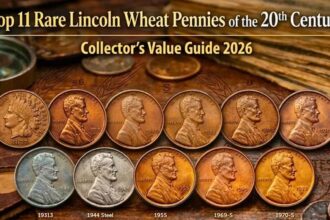
Key dates such as 1909-S VDB, 1914-D, 1922 No D, 1931-S, and 1943 copper cents are especially important.
Using magnification helps reveal doubled lettering, mint errors, or unusual design details.
Pay attention to the coin’s overall appearance as well. Strong luster, clear details, and minimal scratches generally indicate higher collector value.
Avoid cleaning old coins because polishing can permanently damage surfaces and reduce market appeal.
If a coin appears unusual or especially valuable, professional authentication is strongly recommended.
Why Lincoln Wheat Pennies Remain Popular in 2026
Lincoln Wheat Pennies continue attracting collectors because they combine affordability, history, and the excitement of discovery.
Unlike rare gold coins locked away in museums or private vaults, Wheat Pennies were everyday coins that many people still encounter in old collections.
The idea that a penny worth thousands or even hundreds of thousands of dollars could still exist unnoticed keeps collectors searching through coin jars and inherited albums.
Social media, online auctions, and coin-collecting communities have also introduced a new generation of enthusiasts to the hobby.
As demand for rare coins continues growing, elite Lincoln Wheat Pennies remain among the most desirable collectibles in American numismatics.
Tips for New Collectors
Beginners should focus on learning the key dates, mint marks, and famous error varieties within the Wheat Penny series.
Reference guides, coin shows, and online collector forums provide valuable educational resources.
Buying certified coins from reputable dealers helps reduce the risk of counterfeits or altered pieces.
Patience is important because successful collecting often requires years of careful searching and study.
Many collectors enjoy the hobby not only for financial reasons but also for the historical stories connected to each coin.
Final Thoughts
Rare Lincoln Wheat Pennies continue proving that even the smallest coins can carry extraordinary value. The remarkable $576,000 valuation attached to one elite example highlights the incredible demand for historic rarities in 2026.
From the legendary 1943 copper cent to the famous 1909-S VDB issue, these coins remain treasured pieces of American history. For collectors and enthusiasts, the excitement lies in the possibility that a valuable Wheat Penny may still be hiding in plain sight, waiting to be discovered in an old jar, drawer, or forgotten collection.