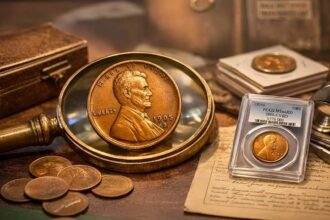

The Lincoln Penny remains one of the most collected coins in American history. For more than a century, these small one-cent coins have circulated through stores, banks, and households across the United States. While most pennies are only worth face value, certain dates, mint marks, and rare varieties have become highly valuable collectibles in 2026.
- The Beginning of the Lincoln Penny
- Understanding Mint Marks on Lincoln Pennies
- Why Some Lincoln Pennies Are Valuable
- Key Lincoln Penny Years Collectors Watch
- Wheat Pennies vs Memorial Pennies
- How Condition Impacts Lincoln Penny Values
- Popular Lincoln Penny Error Coins
- Building a Lincoln Penny Collection
- Why Lincoln Pennies Remain Popular in 2026
- Tips for New Collectors
- Final Thoughts
Collectors continue searching through old coin jars, inherited albums, and bank rolls hoping to uncover a rare Lincoln cent worth hundreds or even thousands of dollars. Some legendary examples have sold for astonishing prices at auctions, turning ordinary pennies into prized treasures.
Understanding Lincoln penny years, mint marks, and value trends can help collectors identify important coins and build stronger collections. Whether someone is new to the hobby or an experienced numismatist, learning the key details behind valuable Lincoln cents remains essential.
The Beginning of the Lincoln Penny
The Lincoln cent first appeared in 1909 to honor the 100th anniversary of Abraham Lincoln’s birth.
It became the first regular U.S. coin to feature a real historical figure instead of symbolic imagery. Designed by Victor David Brenner, the coin displayed Lincoln’s portrait on the obverse and two wheat stalks on the reverse side.
The original Wheat Penny design remained in production until 1958. In 1959, the reverse changed to the Lincoln Memorial design, followed later by the Union Shield reverse used today.
Because Lincoln pennies have existed for so many decades, collectors enjoy assembling sets covering multiple eras of American history.
Understanding Mint Marks on Lincoln Pennies
Mint marks are one of the most important details collectors examine.
Coins struck at the Philadelphia Mint traditionally carried no mint mark for many years, although modern issues may feature a “P.” Denver Mint coins display a “D,” while San Francisco issues carry an “S.”
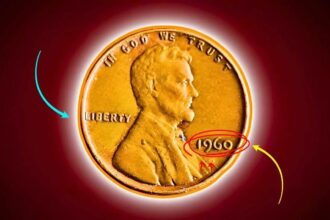
The mint mark appears below the date on most Lincoln cents.
Certain mint marks are much scarcer than others depending on the year. A rare mint mark can dramatically increase a penny’s value even if the date itself is common.
Collectors often compare coins from different mints because strike quality and survival rates can vary significantly.
Why Some Lincoln Pennies Are Valuable
Several factors determine whether a Lincoln penny becomes valuable.
Low mintage numbers create scarcity. Coins produced in smaller quantities are naturally harder to find over time.
Mint errors also play a major role. Doubled dies, off-center strikes, missing mint marks, and wrong-metal errors often become highly collectible.
Condition is equally important. Most pennies circulated heavily, causing scratches, discoloration, and worn details. Coins preserved in nearly flawless condition command much higher prices.
Historical significance also increases collector demand. Pennies connected to important events or famous minting mistakes remain especially desirable.
Key Lincoln Penny Years Collectors Watch
Certain Lincoln penny dates stand out as especially important in the collector market.
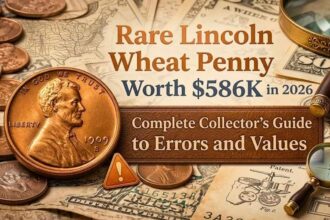
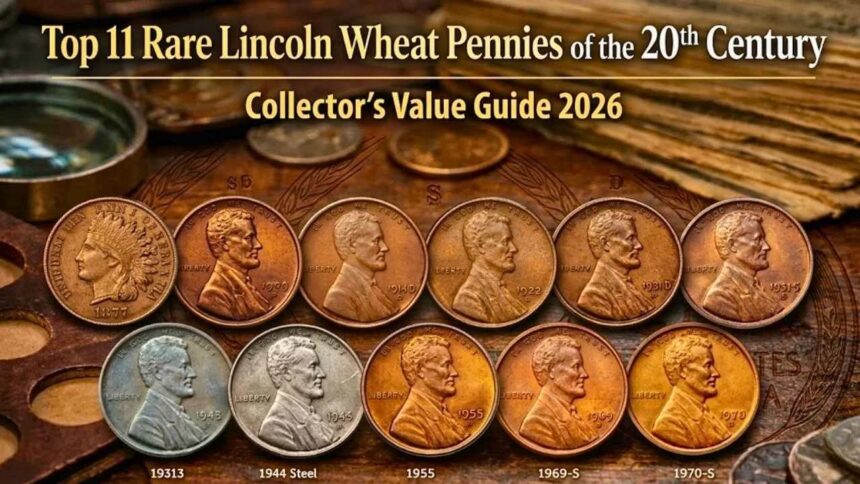
The 1909-S VDB remains one of the most famous key dates. Produced in limited numbers at the San Francisco Mint, this penny displays designer Victor David Brenner’s initials on the reverse.
The 1914-D penny is another major rarity because relatively few were minted and many circulated heavily.
The 1922 No D penny became famous because Denver Mint coins from that year were accidentally struck without visible mint marks due to die wear.
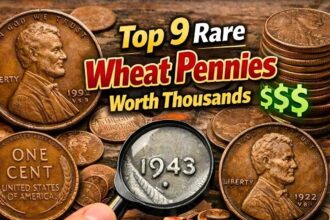
The legendary 1943 copper penny is among the rarest and most valuable Lincoln cents ever discovered. During World War II, pennies were supposed to be made from steel, but a few leftover copper blanks were mistakenly used.
The 1955 Doubled Die penny remains highly collectible because of its dramatic doubled lettering visible on the obverse.
These coins continue attracting enormous collector attention in 2026.
Wheat Pennies vs Memorial Pennies
Lincoln pennies are generally divided into different design eras.
Wheat Pennies, produced from 1909 through 1958, remain especially popular because of their vintage appearance and historical connection to early twentieth-century America.
Lincoln Memorial pennies were introduced in 1959 and remained in circulation until 2008. Although many Memorial cents are common, certain rare errors and high-grade examples can still be valuable.
Modern Shield pennies continue the Lincoln series today, though collectors often focus more heavily on older copper issues.
Each design era offers unique opportunities for collectors searching for rare varieties and valuable coins.
How Condition Impacts Lincoln Penny Values
Condition plays a huge role in determining value.
Collectors use grading scales ranging from heavily worn circulated coins to nearly perfect mint-state examples.
Copper pennies are especially sensitive to wear and discoloration. Coins retaining original red color are much scarcer than brown or darkened examples.
Professional grading companies evaluate strike quality, luster, surface preservation, and overall eye appeal.
A tiny difference in grade can create enormous price differences for rare coins. For example, a Mint State 65 penny may sell for several times more than a Mint State 63 example.
Collectors often seek certified coins because professional grading provides confidence in authenticity and condition.
Popular Lincoln Penny Error Coins
Error coins remain one of the most exciting areas of Lincoln penny collecting.
Doubled die errors show visible doubling in lettering or dates caused during die production.
Off-center strikes occur when the coin blank shifts during minting, leaving part of the design missing.
Wrong-metal errors happen when pennies are accidentally struck on planchets intended for other coins.
Repunched mint marks, clipped planchets, and die cracks also attract collector interest.
Some Lincoln penny errors have sold for thousands of dollars because of their rarity and dramatic appearance.
Collectors carefully inspect coins under magnification hoping to uncover valuable mistakes.
Building a Lincoln Penny Collection
Many collectors begin by assembling date-and-mint sets covering every year and mint combination.
Others specialize in Wheat Pennies, error coins, or high-grade certified examples.
Coin albums remain popular because they help organize collections while protecting coins from damage.
Collectors often search bank rolls and estate sales because valuable pennies occasionally remain hidden in overlooked collections.
Patience and education are important in building a strong collection. Learning grading standards and key varieties can greatly improve collecting success.
Why Lincoln Pennies Remain Popular in 2026
Lincoln pennies continue attracting collectors because they combine history, affordability, and treasure-hunting excitement.
Unlike rare gold coins locked away in museums or private vaults, Lincoln cents were everyday coins handled by millions of Americans.
The possibility that a valuable penny could still be hiding in circulation keeps the hobby exciting for collectors of all ages.
Social media, online auctions, and coin-collecting communities have also introduced a new generation to the hobby.
As interest in rare coins grows, demand for key-date Lincoln pennies and major errors remains strong in 2026.
Tips for New Collectors
New collectors should start by learning important dates, mint marks, and famous varieties.
A magnifying glass and basic coin reference guide can make identification much easier.
Avoid cleaning coins because polishing can permanently damage surfaces and reduce value.
Buying certified coins from reputable dealers helps reduce the risk of counterfeits.
Most importantly, collectors should enjoy the historical and educational aspects of the hobby rather than focusing only on profit.
Final Thoughts
The Lincoln penny remains one of the most iconic and collectible coins in American history. From the legendary 1909-S VDB to the famous 1943 copper cent and 1955 Doubled Die, rare Lincoln pennies continue capturing collector interest in 2026.
Understanding year combinations, mint marks, condition, and error varieties helps collectors recognize valuable coins that others may overlook. Whether found in an old collection or discovered in everyday change, Lincoln pennies continue proving that even the smallest coin can hold remarkable historical and financial value.