
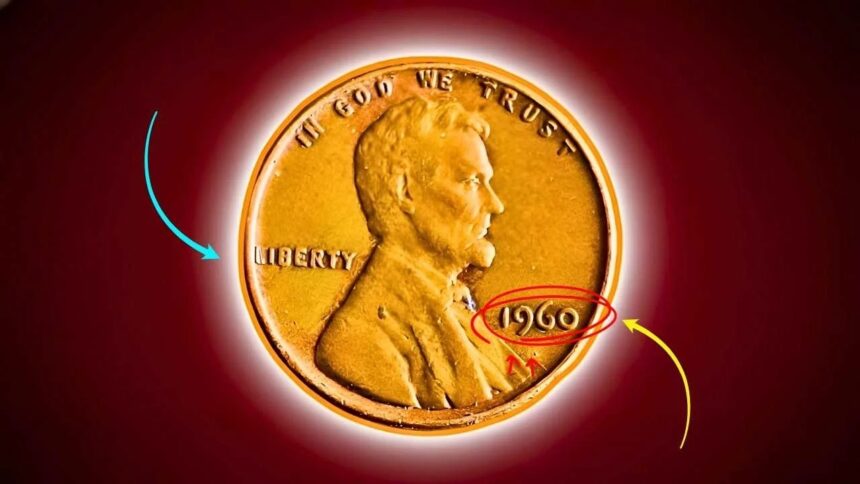
For most people, pennies are little more than spare change tossed into jars, pockets, or car dashboards. They are often ignored because their face value seems too small to matter. But hidden among millions of ordinary Lincoln Memorial pennies are a few rare versions that collectors are willing to pay astonishing amounts of money to own.
Over the years, certain Memorial pennies have become famous because of minting mistakes, low production numbers, or unusual metal compositions. Some of these coins have sold for thousands of dollars at auctions, turning an ordinary one-cent coin into a life-changing discovery.
The exciting part is that many people still overlook these valuable pennies every day. A rare coin could be sitting unnoticed in an old piggy bank, coin roll, or inherited collection. Knowing what to look for can make all the difference.
The Story Behind the Lincoln Memorial Penny
The Lincoln Memorial penny was introduced in 1959 to celebrate the 150th anniversary of Abraham Lincoln’s birth. It replaced the earlier wheat penny design and featured the Lincoln Memorial building on the reverse side.
This design remained in circulation until 2008, making it one of the longest-running coin designs in U.S. history. During those decades, billions of pennies were minted, but a small number developed rare errors or unique features that made them highly collectible.
Collectors appreciate Memorial pennies because they combine historical significance with the possibility of finding valuable varieties in everyday circulation. Unlike many expensive collectibles locked away in private vaults, some rare pennies still occasionally appear in pocket change.
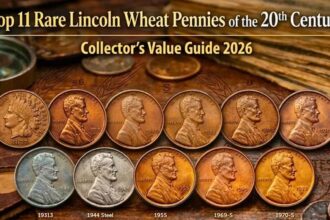
The Famous 1969-S Doubled Die Penny
Among all Memorial pennies, the 1969-S Doubled Die penny is one of the most valuable and talked-about examples ever discovered.
This rare coin was created when the die used to strike the coin received a doubled image during production. As a result, the lettering and date appear clearly doubled to the naked eye. Words like “LIBERTY” and “IN GOD WE TRUST” show dramatic duplication, making the error easy to spot once you know what to look for.
Only a limited number of genuine examples are known to exist. Because of its rarity and popularity, collectors have paid tens of thousands of dollars for authenticated specimens in high grades.
The “S” mint mark beneath the date indicates the coin was produced at the San Francisco Mint. However, collectors should be cautious because counterfeit versions are common due to the coin’s enormous value.
Why Error Pennies Become So Valuable
Mint errors are one of the biggest reasons certain pennies become worth fortunes. These mistakes happen accidentally during the coin production process, making each error unique and difficult to reproduce.
Double strikes, off-center designs, missing letters, and wrong metal compositions are among the most sought-after errors. Because errors are unexpected, collectors see them as rare pieces of minting history.
The rarer the mistake and the fewer surviving examples, the more valuable the coin becomes. Some collectors spend years searching through bank rolls hoping to uncover one hidden treasure.
Error coins also attract attention because they tell a story about how coins are manufactured. Every unusual mark or design flaw offers insight into the minting process.
The 1972 Doubled Die Penny
Another famous Memorial penny is the 1972 Doubled Die variety. Unlike minor doubling often seen on coins, this version displays strong and obvious doubling on the front side.
The date and lettering appear duplicated, especially around “LIBERTY” and “IN GOD WE TRUST.” The effect is dramatic enough to be visible without magnification in many cases.
Collectors continue searching for this coin because it was released into circulation before the error was widely noticed. Thousands may still exist in old collections or forgotten coin jars.
Depending on condition, authentic examples can sell for hundreds or even thousands of dollars. Coins with sharp details and minimal wear bring the highest prices in the collector market.
The Rare 1983 Copper Penny
One of the most unusual Memorial pennies involves the transition from copper to zinc composition during the early 1980s.
In 1982, the U.S. Mint switched from mostly copper pennies to zinc-coated coins due to rising metal costs. However, a few rare 1983 pennies were mistakenly struck using leftover copper planchets from the previous year.
These coins are extremely valuable because they were never intended to exist. Most 1983 pennies are lightweight zinc coins, while the rare copper versions weigh noticeably more.
Collectors often use precise digital scales to identify these coins. A genuine copper 1983 penny weighs around 3.11 grams, compared to the lighter zinc version.
Only a handful of authentic examples have been confirmed, making them highly desirable among serious collectors.
How Condition Impacts Penny Value
Even rare pennies can vary greatly in value depending on their condition. Coins with sharp details, original color, and minimal scratches are far more valuable than heavily worn examples.
Collectors use grading systems to determine a coin’s quality. Uncirculated coins that still display mint luster often command premium prices, especially for rare varieties.
Cleaning coins is one of the biggest mistakes new collectors make. Scrubbing or polishing a penny can damage the surface and reduce its collector value significantly.
Proper storage is important as well. Keeping coins in protective holders or albums helps preserve their condition and prevents environmental damage over time.
Tips for Finding Valuable Memorial Pennies
Searching for rare pennies does not require expensive equipment or years of experience. Many collectors start by examining pocket change, bank rolls, or old family coin collections.
A simple magnifying glass can help reveal doubled lettering, mint marks, or unusual design features. Paying attention to dates known for valuable errors is especially important.
Collectors should focus on coins from the 1960s, 1970s, and early 1980s because many famous Memorial penny varieties originated during these years.
Coin shows, online forums, and collector guides can also provide useful information for identifying rare finds. The more knowledge a collector gains, the easier it becomes to recognize valuable coins.
Why Memorial Pennies Remain Popular Today
Lincoln Memorial pennies remain popular because they combine affordability, history, and the thrill of discovery. Unlike rare gold or silver coins that can cost thousands upfront, pennies allow almost anyone to begin collecting.
The possibility of finding a valuable coin in everyday circulation keeps excitement alive among collectors of all ages. Stories of rare pennies selling for massive amounts continue inspiring people to search through spare change carefully.
Many collectors also enjoy the historical connection these coins provide. Memorial pennies circulated during major moments in American history, making them meaningful beyond their financial value.
Final Thoughts
Rare Memorial pennies prove that extraordinary value can sometimes hide in the smallest and most overlooked places. While most pennies are worth only one cent, certain rare varieties have become highly prized collectibles worth thousands of dollars. Coins like the 1969-S Doubled Die, the 1972 Doubled Die, and the rare 1983 copper penny continue attracting attention from collectors and investors around the world.