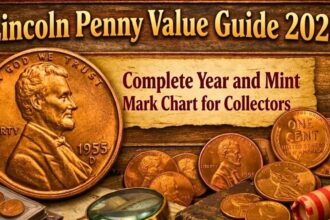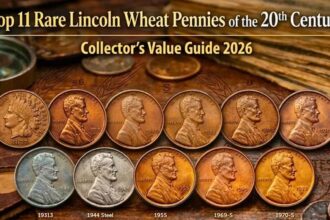

Lincoln pennies are among the most collected coins in American history. For more than a century, these small copper coins have circulated through stores, banks, and households across the United States. While most pennies are worth only one cent, a handful of ultra-rare Lincoln coins have become legendary in the world of coin collecting.
In 2026, demand for rare Lincoln pennies continues rising as collectors search for valuable coins hidden inside old collections, piggy banks, and inherited jars of change. Some of these rare pennies have sold for staggering prices at auctions, with elite examples reaching values in the hundreds of thousands or even millions of dollars.
The excitement surrounding Lincoln pennies comes from the idea that an ordinary-looking coin could secretly hold extraordinary value. Understanding which pennies are worth serious money can help collectors avoid overlooking a life-changing discovery.
Why Lincoln Pennies Remain So Popular
The Lincoln cent first appeared in 1909 to honor the 100th anniversary of Abraham Lincoln’s birth. It became the first regular U.S. coin to feature a real historical figure instead of a symbolic image.
Collectors appreciate Lincoln pennies because they combine history, affordability, and the thrill of treasure hunting. Unlike expensive gold coins locked away in private collections, Lincoln cents are coins many people have handled in everyday life.
Over time, certain dates, mint errors, and low-mintage varieties became highly collectible. Coins connected to major historical events or unusual production mistakes often attract the strongest demand.
In 2026, the market for rare Lincoln pennies remains stronger than ever as collectors compete for the finest known examples.
1909-S VDB Lincoln Penny
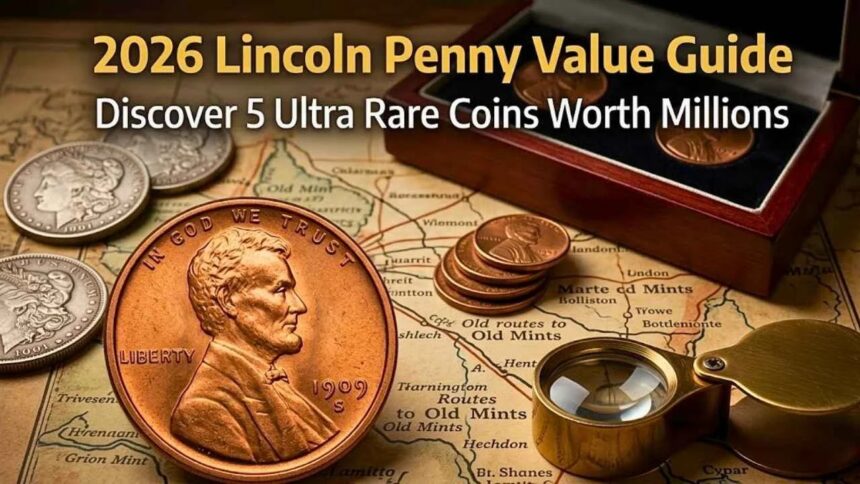
The 1909-S VDB penny is widely considered one of the most important Lincoln cents ever produced.
Released during the first year of the Lincoln cent series, the coin featured the initials “VDB” on the reverse side to honor designer Victor David Brenner. However, controversy over the size of the initials caused the U.S. Mint to remove them shortly after production began.
Only a limited number of 1909-S VDB pennies were struck at the San Francisco Mint, instantly creating rarity.
Collectors can identify the coin by looking for the “S” mint mark beneath the date and the small “VDB” initials on the reverse near the bottom rim.
Because of enormous collector demand, even worn examples sell for thousands of dollars. High-grade coins with original red color have achieved astonishing auction prices.
1914-D Lincoln Penny
The 1914-D Lincoln penny remains one of the toughest regular-issue coins in the entire Lincoln cent series.
Although the coin does not appear unusual at first glance, its low mintage from the Denver Mint makes it highly desirable. Many coins entered heavy circulation during the early 1900s, leaving relatively few well-preserved examples today.
Collectors especially seek coins with strong details and original surfaces. High-grade specimens can sell for massive premiums because of their scarcity.
Counterfeit versions are common, as some individuals attempt to add fake “D” mint marks to ordinary coins. For this reason, authentication by professional grading services is strongly recommended for expensive examples.
The 1914-D penny continues attracting intense interest from advanced collectors in 2026.
1922 No D Lincoln Penny
One of the most famous error coins in American numismatic history is the 1922 No D Lincoln penny.
During 1922, all Lincoln pennies were produced at the Denver Mint, meaning every coin should normally display a “D” mint mark. However, excessive die wear and production issues caused some coins to be struck without a visible mint mark.
These rare “No D” coins quickly became collector favorites because they represent a genuine minting mistake rather than a standard variety.
Authentic examples show specific characteristics involving the date and overall strike quality. Collectors often examine these coins carefully because counterfeit alterations exist in the marketplace.
Well-preserved 1922 No D pennies remain highly valuable and continue selling for impressive amounts at auctions.
1943 Copper Lincoln Penny
The 1943 Copper Lincoln penny is one of the most legendary coins ever discovered.
During World War II, the U.S. Mint switched from copper pennies to zinc-coated steel cents to conserve copper for military production. As a result, almost all 1943 pennies appear silver-colored rather than brown.
However, a small number of leftover copper planchets from 1942 accidentally remained in the minting presses and were struck with the 1943 date. These accidental copper pennies became some of the rarest and most valuable coins in American history.
Collectors often use magnets as a quick test. Steel pennies stick to magnets, while genuine copper examples do not.
Only a limited number of authentic 1943 copper pennies are known today. Some have sold for hundreds of thousands or even over a million dollars depending on condition and provenance.
The possibility of discovering one keeps collectors constantly checking old pennies.
1955 Doubled Die Lincoln Penny
The 1955 Doubled Die Lincoln penny is one of the most visually dramatic error coins ever released into circulation.
This famous variety displays obvious doubling on the front side, especially in the date and lettering. The words “LIBERTY” and “IN GOD WE TRUST” appear clearly duplicated, making the error easy to spot even without magnification.
The mistake occurred during die creation, causing every coin struck from that die to show the same dramatic doubling effect.
Thousands entered circulation before the Mint noticed the error, allowing ordinary Americans to find them in pocket change during the 1950s.
Today, collectors eagerly search for authentic examples because of their historical importance and unmistakable appearance. High-grade specimens continue bringing strong auction prices in 2026.
How Condition Impacts Penny Values
Condition plays a major role in determining the value of rare Lincoln pennies.
Coins with sharp details, minimal wear, and original mint luster command much higher prices than damaged or heavily circulated examples. Collectors especially value “red” copper pennies that retain their original color instead of turning brown over time.
Professional grading services use detailed scales to assign official grades, helping buyers and sellers determine accurate market values.
Even a small difference in grade can significantly impact a penny’s value. A coin graded Mint State 65 may sell for thousands more than a similar example graded Mint State 63.
Cleaning coins is strongly discouraged because improper cleaning can permanently reduce collector appeal.
Tips for Finding Valuable Lincoln Pennies
Collectors searching for rare Lincoln pennies should begin by checking dates and mint marks carefully.
Using a magnifying glass helps reveal small details such as doubled lettering or missing mint marks. Paying attention to key years known for rare varieties improves the chances of finding valuable coins.
Many collectors search old bank rolls, estate sales, inherited collections, and coin jars because rare pennies still occasionally appear in unexpected places.
Learning basic grading skills and studying genuine examples can also help collectors avoid counterfeits and identify important discoveries.
Patience remains one of the most important parts of coin collecting. Valuable coins are often found after years of careful searching.
Final Thoughts
Rare Lincoln pennies continue proving that even the smallest coins can hold enormous value. From the legendary 1943 copper cent to the iconic 1909-S VDB and 1955 Doubled Die, these historic coins remain among the most sought-after treasures in American numismatics.
In 2026, collectors around the world continue hunting for these ultra-rare pennies because hidden discoveries still happen. While most Lincoln cents are worth only face value, a few extraordinary examples have reached life-changing prices. Taking a closer look at old pennies could reveal a remarkable piece of history — and perhaps an unexpected fortune hiding in plain sight.