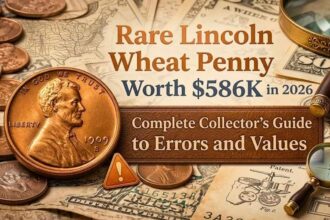

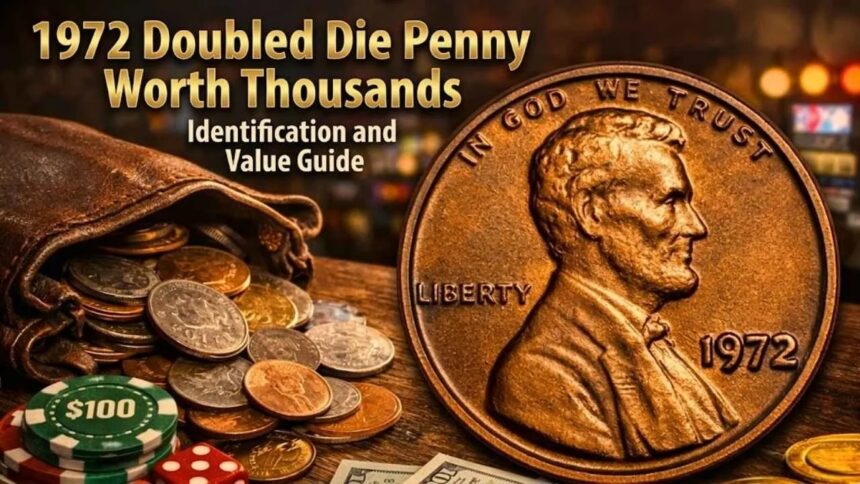
The 1972 Doubled Die Penny remains one of the most exciting modern error coins in American numismatics. While millions of Lincoln pennies were produced that year, a small number featured a dramatic doubling error that transformed an ordinary one-cent coin into a highly collectible treasure worth thousands of dollars today.
- What Is a Doubled Die Penny?
- The History Behind the 1972 Doubled Die Penny
- How to Identify a Genuine 1972 Doubled Die Penny
- Why the 1972 Doubled Die Penny Is Valuable
- Condition Plays a Major Role
- Other 1972 Doubled Die Varieties
- How to Protect Valuable Pennies
- Where Collectors Still Find These Coins
- Tips for New Collectors
- Final Thoughts
Collectors continue searching through old coin jars, bank rolls, estate collections, and inherited penny albums hoping to uncover one of these valuable coins. What makes the 1972 Doubled Die Penny especially appealing is that the doubling can often be seen without specialized equipment, making it one of the easiest major error coins for beginners to identify.
In 2026, demand for high-quality examples remains strong as collectors compete for well-preserved coins with bold doubling and original surfaces. Understanding how to identify these pennies correctly can help collectors avoid common mistakes and recognize potentially valuable finds.
What Is a Doubled Die Penny?
A doubled die coin is created during the die manufacturing process rather than during the actual striking of the coin.
Before coins are minted, working dies receive impressions from a master design. If the die shifts slightly between impressions, the design elements can appear doubled. Every coin struck from that defective die will carry the same doubling effect.
This differs from machine doubling, which is a much more common and less valuable form of strike-related distortion.
The 1972 Doubled Die Penny became famous because the doubling is extremely noticeable on the obverse, or front side, of the coin. The error affects major design elements, making it highly attractive to collectors.
Unlike subtle varieties that require advanced magnification, this penny often displays visible doubling even to the naked eye.
The History Behind the 1972 Doubled Die Penny
The 1972 Lincoln cent was produced during a period when the U.S. Mint struck enormous quantities of pennies for circulation.
During production at the Philadelphia Mint, one of the working dies developed significant doubling during the die-making process. Coins struck using this die entered circulation unnoticed alongside millions of normal pennies.
Eventually, collectors discovered the unusual doubling and began pulling examples from circulation. News spread quickly throughout the coin collecting community, and the 1972 Doubled Die Penny became one of the most famous modern error coins in the United States.
Because many examples circulated heavily before collectors noticed them, high-grade coins remain especially desirable today.
How to Identify a Genuine 1972 Doubled Die Penny
Correct identification is extremely important because many ordinary 1972 pennies are mistakenly believed to be doubled die errors.
The strongest doubling appears on the date and inscriptions on the front side of the coin. Collectors should closely inspect the words “LIBERTY” and “IN GOD WE TRUST,” as well as the date “1972.”
On genuine examples, the letters and numbers appear clearly separated with strong secondary images. The doubling looks bold and rounded rather than flat or shelf-like.
The most valuable version is known as the “1972 Doubled Die Obverse Type 1.” This variety displays dramatic doubling visible without magnification.
Machine doubling, by contrast, often appears flat and distorted rather than sharply defined. Many beginners confuse machine doubling with true doubled dies, but experienced collectors quickly learn the difference.
Using a magnifying glass or jeweler’s loupe helps reveal the details more clearly.
Why the 1972 Doubled Die Penny Is Valuable
Several factors contribute to the coin’s popularity and value.
First, the doubling is dramatic and visually appealing. Collectors enjoy coins with obvious errors that can be easily recognized.
Second, the coin comes from a well-known Lincoln cent series already popular among collectors. Lincoln pennies remain one of the most widely collected coins in the United States.
Third, relatively few strong examples survive in top condition because many entered circulation before collectors identified them.
The combination of visibility, historical importance, and collector demand has kept values strong for decades.
In 2026, certified high-grade examples continue bringing impressive auction prices.
Condition Plays a Major Role
Condition greatly impacts the value of a 1972 Doubled Die Penny.
Coins with heavy wear, scratches, discoloration, or environmental damage usually sell for far less than clean, well-preserved examples.
Collectors especially seek coins with original mint luster and strong red copper color. Older copper pennies naturally darken over time, so fully red examples are much scarcer.
Professional grading companies assign condition grades using detailed standards. A small increase in grade can dramatically affect value.
For example, a circulated example may sell for a few hundred dollars, while an uncirculated red specimen with exceptional preservation could sell for thousands.
Top-grade certified examples remain especially competitive in the collector market.
Other 1972 Doubled Die Varieties
Although the Type 1 doubled die is the most famous and valuable, several lesser-known doubled die varieties also exist for 1972 pennies.
These additional varieties display weaker or more localized doubling. Some are collectible, though they usually command lower premiums than the major Type 1 variety.
Specialized collectors often study subtle differences between varieties involving lettering placement, date shapes, and doubling intensity.
Because so many minor varieties exist, professional attribution services can help confirm identification.
Collectors serious about Lincoln cent varieties often enjoy searching for these less common doubled dies alongside the major version.
How to Protect Valuable Pennies
Proper storage is essential for preserving coin value.
Copper coins are sensitive to moisture, oils, and environmental damage. Handling pennies by the edges helps reduce fingerprints and surface contamination.
Collectors often store valuable coins in protective holders, capsules, or certified slabs from professional grading companies.
Cleaning coins is strongly discouraged because polishing or chemical cleaning can permanently damage surfaces and reduce collector appeal.
Natural surfaces are almost always preferred by collectors and dealers.
Coins stored properly can maintain their appearance and value for generations.
Where Collectors Still Find These Coins
One reason the 1972 Doubled Die Penny remains exciting is that discoveries still happen today.
Collectors occasionally find examples in old coin jars, estate collections, inherited albums, and unopened bank rolls.
Some people unknowingly stored these pennies decades ago without realizing their future value.
Coin roll hunting has become especially popular among hobbyists hoping to uncover overlooked varieties and errors.
While finding a major doubled die in circulation is increasingly rare, stories of surprise discoveries continue fueling collector excitement.
Tips for New Collectors
Beginners interested in error coin collecting should spend time studying genuine examples before making purchases.
Learning the difference between true doubled dies and machine doubling is one of the most important skills.
Buying coins certified by reputable grading companies reduces the risk of counterfeits or misidentified varieties.
Reference books, online collector forums, and coin shows also provide valuable educational resources.
Patience is important because the best discoveries often come after years of careful searching and learning.
Final Thoughts
The 1972 Doubled Die Penny remains one of the most famous and collectible modern U.S. error coins. Its dramatic doubling, strong collector demand, and connection to the beloved Lincoln cent series continue making it a favorite among numismatists in 2026.
While many 1972 pennies are ordinary, a genuine doubled die example can be worth hundreds or even thousands of dollars depending on condition. For collectors, the excitement lies in the possibility that a valuable coin could still be hiding among everyday pennies waiting to be discovered.