
The Mercury Dime remains one of the most beloved and valuable coins in American numismatic history. Even in 2026, collectors continue chasing rare Mercury Dimes with incredible passion, pushing prices higher and fueling what many experts now call the “1.1 Million Coin Frenzy.” Certain rare examples have crossed the million-dollar mark at elite auctions, turning this once-common ten-cent coin into one of the hottest collectibles in the market.
- Why the Mercury Dime Is So Popular
- The Legendary 1916-D Mercury Dime
- The 1942/41 Overdate Error
- The Million-Dollar Mercury Dime Craze
- Full Bands and Why They Matter
- Silver Content Adds Extra Appeal
- How to Identify Valuable Mercury Dimes
- Why Mercury Dimes Remain Popular in 2026
- Building a Mercury Dime Collection
- Final Thoughts
Originally minted between 1916 and 1945, the Mercury Dime is admired for its elegant design, silver content, and connection to important periods in American history. While millions were produced, only a small number possess the rarity, condition, and historical significance needed to command extraordinary values today.
For both beginner and experienced collectors, understanding how to identify valuable Mercury Dimes can open the door to exciting discoveries and potentially life-changing finds.
Why the Mercury Dime Is So Popular
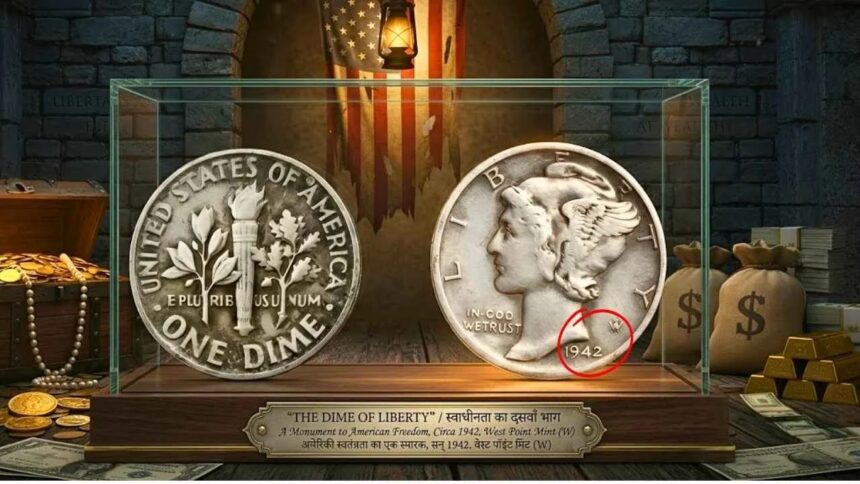
The Mercury Dime was designed by sculptor Adolph A. Weinman and first introduced in 1916. Despite its nickname, the coin does not actually depict the Roman god Mercury. Instead, the obverse features Liberty wearing a winged cap symbolizing freedom of thought.
Collectors quickly fell in love with the artistic beauty of the design. The reverse side features a fasces and olive branch, representing strength and peace.
The coin’s popularity has only grown over the decades because it combines historical importance with silver value and collector appeal. Many people consider it one of the most beautiful coins ever produced by the U.S. Mint.
Because the series ended in 1945, every Mercury Dime now represents a piece of early twentieth-century American history.
The Legendary 1916-D Mercury Dime
No Mercury Dime discussion is complete without mentioning the famous 1916-D issue.
Produced at the Denver Mint during the first year of the series, this coin had an extremely low mintage compared to other Mercury Dimes. Only a small number entered circulation, instantly making it one of the key dates in American coin collecting.
Collectors identify the coin by locating the small “D” mint mark on the reverse side near the bottom left area.
Even heavily circulated examples can sell for thousands of dollars. High-grade specimens with strong details and original surfaces have reached astonishing auction prices.
Because of its fame and value, counterfeit versions exist in the marketplace. Some altered coins feature fake mint marks added to ordinary dimes, making professional authentication extremely important.
In 2026, the 1916-D remains one of the most desired coins in the entire Mercury Dime series.
The 1942/41 Overdate Error
The 1942/41 Mercury Dime is one of the most fascinating mint error coins ever produced.
This rare overdate variety occurred when dies from 1941 were mistakenly reused and modified with the 1942 date. As a result, traces of both years remain visible on the coin.
Collectors can spot the error by carefully examining the date area under magnification. The overlapping numbers create a distinctive appearance highly valued by numismatists.
Both Philadelphia and Denver Mint versions exist, but the Denver issue is especially rare and expensive.
Because this error occurred during wartime production, the coin carries extra historical interest. Well-preserved examples can sell for enormous amounts, especially when professionally graded.
The Million-Dollar Mercury Dime Craze
The “1.1 Million Coin Frenzy” refers to the growing excitement surrounding ultra-rare Mercury Dimes that have achieved massive auction results in recent years.
Certain top-grade coins with exceptional eye appeal, perfect strike quality, and historical importance have crossed the million-dollar threshold at elite auctions.
Collectors are especially competitive when pursuing coins graded at the highest mint-state levels. A tiny difference in quality can dramatically affect market value.
The combination of rarity, beauty, and collector demand has transformed the Mercury Dime market into one of the most competitive areas in modern numismatics.
Many investors now view elite Mercury Dimes as long-term collectible assets rather than simple hobby items.
Full Bands and Why They Matter
One of the most important grading factors for Mercury Dimes is the “Full Bands” designation.
On the reverse side of the coin, the fasces features horizontal bands tied around the center. Coins with fully separated and sharply detailed bands are considered much rarer because they indicate a stronger strike from the mint.
Collectors place enormous value on Full Bands examples, especially for rare dates.
Two Mercury Dimes with identical dates and grades can have dramatically different values depending on whether they display Full Bands.
This small detail often separates ordinary collectible coins from premium investment-quality pieces.
Silver Content Adds Extra Appeal
Every Mercury Dime contains 90% silver, which adds intrinsic value beyond collector demand.
Even common-date Mercury Dimes are worth more than face value because of their silver content. During periods of rising precious metal prices, interest in silver coins often increases significantly.
However, numismatic rarity usually matters far more than metal value for key-date coins.
Collectors appreciate that Mercury Dimes offer both historical importance and precious metal appeal, making them attractive to a wide range of buyers.
Silver content also explains why many old dimes were saved rather than spent after silver coinage ended in the United States during the 1960s.
How to Identify Valuable Mercury Dimes
Collectors searching for valuable Mercury Dimes should focus on dates, mint marks, and condition.
Key dates such as 1916-D, 1921, 1921-D, and the 1942/41 overdate varieties are especially important.
Mint marks appear on the reverse side near the bottom left of the fasces. Coins from Denver feature a “D,” while San Francisco issues carry an “S.”
Using a magnifying glass helps reveal important details such as Full Bands or overdate errors.
Condition also matters greatly. Coins with strong luster, sharp details, and minimal scratches usually command much higher prices.
Avoid cleaning old coins because polishing can permanently damage surfaces and reduce collector value.
Why Mercury Dimes Remain Popular in 2026
Mercury Dimes continue attracting collectors because they offer a perfect mix of beauty, rarity, and history.
Unlike some modern collectibles, these coins circulated during major world events including the Great Depression and World War II. Holding a Mercury Dime feels like holding a small piece of American history.
The series is also manageable for collectors. While certain key dates are expensive, many common issues remain affordable for beginners.
Auction headlines featuring million-dollar Mercury Dimes have introduced a new generation of collectors to the hobby, increasing overall demand in 2026.
The possibility of finding rare varieties in inherited collections or old coin albums keeps excitement alive among treasure hunters.
Building a Mercury Dime Collection
Many collectors begin by assembling a date-and-mint collection covering every Mercury Dime issue from 1916 to 1945.
Others focus specifically on Full Bands examples or famous error coins.
Buying certified coins from reputable dealers helps reduce the risk of counterfeits, especially for expensive dates.
Learning grading standards and studying authentic examples can also improve collecting skills over time.
Patience remains essential because the best collections are usually built gradually through careful research and smart purchases.
Final Thoughts
The Mercury Dime continues standing among the greatest treasures in American coin collecting. From the legendary 1916-D to the famous 1942/41 overdate, these silver coins combine rarity, artistry, and historical importance in a way few other collectibles can match.
In 2026, the growing “1.1 Million Coin Frenzy” proves that collector demand for elite Mercury Dimes remains stronger than ever. While most examples are worth modest amounts, a few extraordinary coins have reached astonishing values. For collectors, the excitement lies in knowing that hidden treasures may still exist in forgotten collections waiting to be rediscovered.