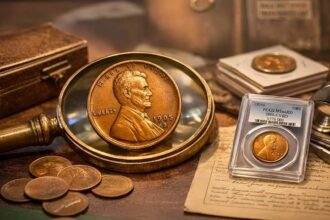

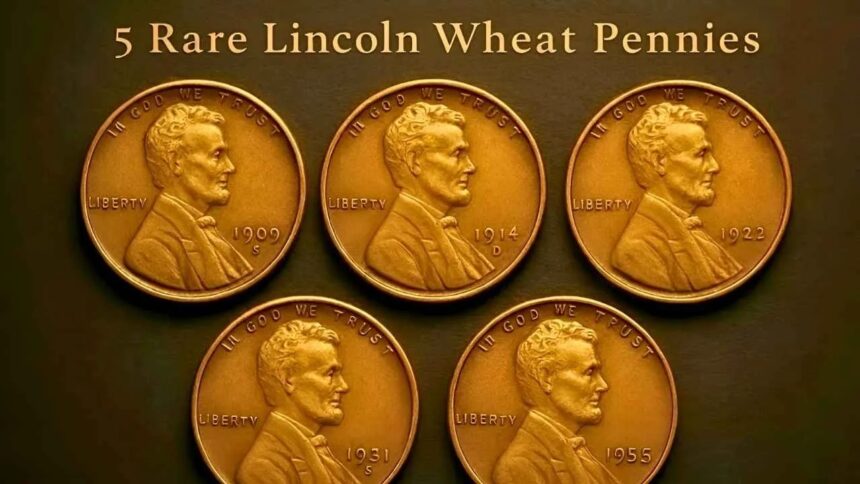
Lincoln Wheat Pennies remain some of the most collected coins in the United States, and in 2026 their popularity continues growing among both beginner and experienced collectors. First introduced in 1909, these historic coins feature Abraham Lincoln on the front and two wheat stalks on the reverse side, giving them the famous “Wheat Penny” nickname.
While millions of Wheat Pennies were produced over several decades, a few rare versions have become extremely valuable because of minting errors, low production numbers, or historical importance. Some coins that once circulated for just one cent are now worth thousands of dollars, and collectors are still searching for hidden treasures in old jars, estate collections, and coin rolls.
For anyone interested in coin collecting, understanding which Lincoln Wheat Pennies hold serious value can make the hobby far more exciting. Here are five rare Wheat Pennies that continue attracting major attention in 2026.
1909-S VDB Lincoln Wheat Penny
The 1909-S VDB penny is often considered the king of Lincoln Wheat Pennies. This coin was released during the very first year of the Lincoln cent series and quickly became controversial because of the designer’s initials, “VDB,” appearing prominently on the reverse side.
The initials belonged to designer Victor David Brenner, but public criticism over their size led the U.S. Mint to remove them shortly after production began. As a result, only a limited number of 1909-S VDB pennies were produced at the San Francisco Mint.
Collectors can identify this coin by locating the tiny “S” mint mark below the date and the “VDB” initials near the bottom reverse edge.
Because demand is extremely high and supply remains limited, even heavily circulated examples can sell for thousands of dollars. High-grade coins with sharp details and original color have reached astonishing prices at auctions.
1914-D Lincoln Wheat Penny
Another legendary Wheat Penny is the 1914-D issue from the Denver Mint. Although the coin may appear ordinary at first glance, its low mintage makes it one of the toughest Lincoln cents for collectors to acquire.
Many 1914-D pennies entered heavy circulation, meaning well-preserved examples are especially scarce today. Collectors value coins with strong details in Lincoln’s portrait and clear lettering around the rim.
Counterfeits are common because of the coin’s popularity. Some altered coins feature fake mint marks added to ordinary pennies, so authentication is important for expensive examples.
In 2026, collectors continue paying strong premiums for genuine 1914-D Wheat Pennies, especially those certified by professional grading companies.
1922 No D Wheat Penny
The 1922 No D Wheat Penny remains one of the most fascinating error coins in American numismatic history. During that year, all Lincoln cents were produced at the Denver Mint, meaning every coin should normally display a “D” mint mark.
However, due to excessive die wear and minting problems, some coins were struck with the mint mark almost completely missing. These rare “No D” pennies became highly desirable among collectors because they represent a unique production mistake.
Identifying a genuine example requires close attention to detail. Authentic coins show specific characteristics involving the date, lettering, and overall strike quality.
Values vary depending on condition, but attractive examples can easily sell for thousands of dollars. Strong demand continues making this coin one of the most searched-for Wheat Pennies in the hobby.
1943 Copper Lincoln Wheat Penny
Few coins generate as much excitement as the 1943 Copper Lincoln Wheat Penny. During World War II, the U.S. Mint switched from copper to zinc-coated steel pennies to conserve copper for military equipment.
However, a small number of leftover copper planchets from 1942 accidentally remained in the minting machines and were struck with the 1943 date. The result was one of the rarest and most famous minting mistakes ever discovered.
Most 1943 pennies appear silver-colored because they were made from steel. A genuine copper version looks like a normal brown penny, making it instantly suspicious to collectors.
Only a handful of authentic examples are known, and some have sold for hundreds of thousands of dollars. Because counterfeit versions are common, collectors often use magnets as a quick test. Steel pennies stick to magnets, while genuine copper examples do not.
This coin remains one of the ultimate dream finds for collectors in 2026.
1955 Doubled Die Lincoln Wheat Penny
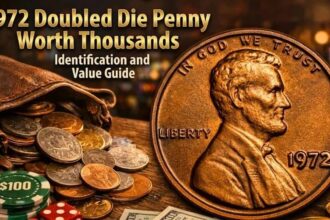
The 1955 Doubled Die penny is one of the most visually dramatic error coins ever released into circulation. This famous coin displays strong doubling on the front side, especially in the date and lettering.
The words “LIBERTY” and “IN GOD WE TRUST” appear noticeably duplicated, creating an effect visible even without magnification. The error happened during die production, causing every coin struck from that die to carry the same dramatic doubling.
Thousands entered circulation before the mistake was discovered, allowing ordinary people to find them in pocket change during the 1950s.
Today, collectors continue searching for this iconic error penny because of its popularity and unmistakable appearance. High-quality examples can sell for thousands or even tens of thousands of dollars depending on condition.
The coin remains one of the most famous Lincoln cent varieties ever produced.
Why Condition Matters So Much
Condition plays a huge role in determining a Wheat Penny’s value. Two coins of the same date can have dramatically different prices depending on wear, scratches, and color.
Collectors prefer coins with sharp details, original mint luster, and minimal damage. Red-colored pennies that retain their original copper shine are especially valuable because most older cents darken over time.
Professional grading services evaluate coins using detailed scales that help buyers and sellers determine accurate market values. A single grade difference can sometimes mean thousands of dollars in value changes.
Cleaning coins is strongly discouraged because it often damages the surface and lowers collector appeal. Natural aging is generally preferred over polished or altered appearances.
Tips for Finding Valuable Wheat Pennies
Many valuable Wheat Pennies are still hiding in unexpected places. Old coin jars, estate collections, bank rolls, and inherited albums often contain overlooked treasures.
Collectors usually begin by checking dates and mint marks carefully. A magnifying glass helps reveal tiny details that separate common coins from valuable rarities.
Learning key dates and famous error varieties increases the chances of spotting an important coin. Patience also matters because valuable discoveries are often made after searching through hundreds or even thousands of pennies.
Coin shows, online communities, and collector guides provide useful information for beginners hoping to improve their knowledge.
Why Lincoln Wheat Pennies Remain Popular in 2026
Lincoln Wheat Pennies continue attracting collectors because they combine affordability, history, and the thrill of treasure hunting. Many collectors enjoy the idea that rare coins could still appear in everyday collections decades after they were first minted.
The historical connection also adds appeal. These pennies circulated through world wars, economic depressions, and major moments in American history.
For younger collectors, Wheat Pennies often serve as an entry point into the hobby because they are easy to recognize and widely available.
As demand for rare coins continues rising in 2026, the market for valuable Wheat Pennies remains strong among collectors and investors alike.
Final Thoughts
Rare Lincoln Wheat Pennies continue proving that small coins can hold enormous value. From the famous 1909-S VDB to the legendary 1943 copper penny, these historic cents remain some of the most exciting treasures in American coin collecting.
While most Wheat Pennies are worth only modest amounts, certain rare dates and errors can sell for thousands or even more. Taking the time to inspect old coins carefully could lead to an unexpected discovery hiding in plain sight. For collectors in 2026, the hunt for valuable Wheat Pennies remains as thrilling as ever.