
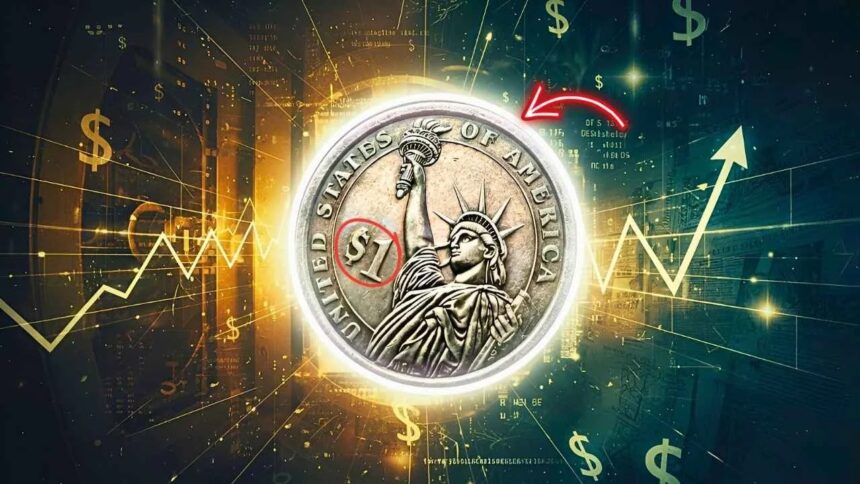
Gold one dollar coins hold a special place in American coin history. Small in size but rich in value and historical importance, these coins were first introduced in the mid-1800s during a period when gold discoveries transformed the U.S. economy. Today, collectors around the world search for rare gold dollar coins because of their beauty, scarcity, and strong investment potential.
Although many people focus on silver dollars or modern commemorative coins, gold dollar coins remain some of the most fascinating pieces in numismatics. Their compact design, limited mintages, and connection to American history make them highly desirable among both beginners and experienced collectors.
Some of these coins are worth hundreds of dollars, while rare versions in exceptional condition can reach auction prices in the tens of thousands. Knowing how to identify valuable pieces is essential for anyone interested in building a strong collection.
The History of Gold One Dollar Coins
The United States Mint introduced the gold dollar coin in 1849 following the California Gold Rush. The sudden increase in gold supplies allowed the government to create smaller gold-denomination coins for circulation.
These coins were produced until 1889 and went through three major design changes during their run. Despite their tiny size, gold dollars quickly became popular because they were convenient and carried real precious metal value.
Over time, many coins were lost, melted, or damaged, making surviving examples increasingly rare. Today, collectors prize these coins not only for their gold content but also for their historical significance and craftsmanship.
1849-C Open Wreath Gold Dollar
One of the most famous and valuable gold dollar coins is the 1849-C Open Wreath variety. Produced at the Charlotte Mint in North Carolina, this coin is considered extremely rare because only a small number were minted.
Collectors can identify this coin by examining the wreath design on the reverse side. The “Open Wreath” variety has a noticeably different arrangement compared to later issues.
Because of its rarity and connection to early Southern gold production, this coin can sell for enormous amounts at auction. Even worn examples are highly sought after by collectors.
Spotting authentic versions requires careful inspection, as counterfeits sometimes appear in the market due to the coin’s high value.
1854 Type 2 Indian Princess Gold Dollar
The Type 2 Indian Princess gold dollar introduced a completely new design compared to earlier Liberty Head versions. It featured a larger and thinner coin with a portrait wearing a feathered headdress.
This design change aimed to solve problems caused by the earlier coins being too small and difficult to handle. However, the new design created striking issues, making well-preserved examples especially valuable today.
Collectors should look closely at the details in the hair and feathers. Weakly struck coins are common, while sharply detailed pieces command much higher prices.
Coins from certain mints, particularly Charlotte and Dahlonega, are extremely rare and desirable because of their low production numbers.
1856-D Gold Dollar
The 1856-D gold dollar from the Dahlonega Mint in Georgia remains one of the most collectible Southern gold coins. Dahlonega coins are popular because the mint operated for only a short period before closing during the Civil War.
This coin is difficult to find in high grades because many examples circulated heavily in the 1800s. Collectors value original surfaces and clear design details, especially around the date and portrait.
One way to identify the coin is by locating the “D” mint mark on the reverse side beneath the wreath. Genuine examples are highly prized and often become centerpiece items in advanced collections.
Because so few survive in excellent condition, auction prices continue rising year after year.
1861 Gold Dollar
The 1861 gold dollar carries historical importance because it was minted during the opening year of the American Civil War. Coins from this period attract collectors who appreciate both numismatic and historical value.
Philadelphia Mint examples are more common, but coins from Southern mints are especially desirable because many were produced under chaotic wartime conditions.
Collectors often search for coins with strong strikes and minimal wear. Since many gold dollars from this era circulated extensively, finding well-preserved examples can be challenging.
Historical context plays a huge role in this coin’s popularity. Owning a coin minted during one of America’s most turbulent periods adds extra appeal for collectors.
1875 Gold Dollar
The 1875 gold dollar is another key coin because of its relatively low mintage compared to other years. While not as rare as some Southern mint issues, it remains highly collectible in higher grades.
Many surviving examples show wear or cleaning damage, making original coins more valuable. Collectors should inspect the surfaces carefully for unnatural shine or scratches that may indicate improper cleaning.
This coin is popular among collectors building complete date sets of gold dollars because it is often considered one of the tougher later-year issues to acquire.
Well-preserved mint-state examples can command impressive prices at major coin auctions.
1880 Proof Gold Dollar
Proof gold dollars were specially struck for collectors using polished dies and carefully prepared planchets. The 1880 proof gold dollar stands out because of its sharp details and mirror-like appearance.
Only a limited number were produced, making them significantly rarer than regular circulation coins. Collectors value these coins for their exceptional eye appeal and craftsmanship.
When examining proof coins, look for reflective surfaces and crisp design elements. Any signs of damage or cleaning can reduce the value considerably.
Because proof gold dollars were made specifically for collectors, many survive in excellent condition, but truly flawless examples remain rare.
1889 Gold Dollar
The 1889 gold dollar holds special significance because it marked the final year of gold dollar coin production in the United States.
Collectors often seek this coin to complete their collections, increasing demand in the market. While not the rarest gold dollar, high-grade examples are still difficult to find.
The design features the Type 3 Indian Princess portrait, which many collectors consider the most attractive version in the series.
Coins with original mint luster and strong details around the portrait and lettering are especially valuable.
How to Spot Valuable Gold Dollar Coins
Identifying valuable gold dollar coins requires attention to several important details. The first step is checking the date and mint mark, as certain years and mints are much rarer than others.
Condition is equally important. Coins with minimal wear, sharp details, and original surfaces usually command higher prices. Cleaning a coin can significantly reduce its value, so collectors should avoid polishing or altering old pieces.
Weight and size can also help confirm authenticity. Genuine gold dollars have specific dimensions and gold content, making counterfeit detection easier for experienced collectors.
Using a magnifying glass to inspect design details, mint marks, and surface quality can help identify rare varieties. Professional grading services are often recommended for valuable coins because certified examples are easier to sell and verify.
Final Thoughts
Gold one dollar coins remain some of the most fascinating collectibles in American numismatic history. Their small size hides enormous historical value, artistic beauty, and investment potential. From rare Southern mint issues to stunning proof coins, these pieces continue attracting collectors from around the world.
For anyone interested in coin collecting, learning how to identify valuable gold dollar coins can be both rewarding and exciting. A single rare coin could become the highlight of a collection or even a valuable long-term investment. As demand for historic American coins continues growing, gold dollar coins are likely to remain highly sought after for generations to come.